For definitions, general notes on methods of test and the complete series of methods of test for winding wires, see IEC 60851-1. Round and rectangular wire The equipment used shall have a precision better than 2 µm. If a…
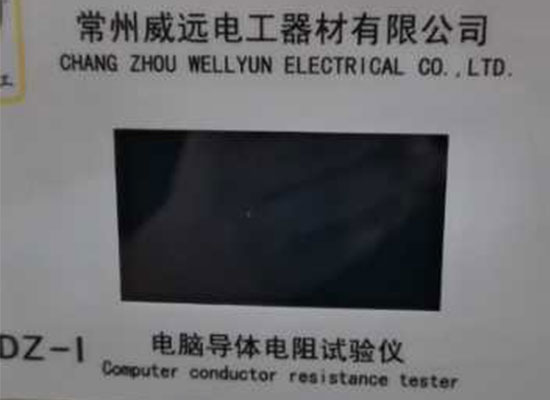
Test 5:Electrical Resistance Of Enameled Wire
1. General notes on methods of test Unless otherwise specified, all tests shall be carried out at a temperature from 15 C to 40 C and a relative humidity of 25 % to 75 %. Before measurements are made, the…

Bare wire annealing
Annealing is a process at high temperature which aim to soften the copper and make it more malleable. The purpose of annealing is to make the conductor hardened by the lattice change during the mold stretching process to be heated…

Physical Varinishing process of enameled wire
Varinishing process is the process of applying enameled wire paint to metal conductors to form a uniform paint layer with a certain thickness. 1) Viscosity When the liquid flows, the molecules collide with each other to make one layer of…
Felt Varinishing process of enameled wire
The Felt Varinishing method has a simple structure and is easy to operate. As long as the felt splint is used to flatly clamp the felt on both sides of the wire, the felt is loose, soft, elastic and porous…
Varinishing times of enameled wire
The number of varinishing times is affected by the solid content, viscosity, surface tension, contact angle, drying speed, coating method, and paint thickness of the paint liquid. Generally, enameled wire enamel needs to be painted and baked several times to…
Baking process of enameled wire – temperature distribution
Baking process of enameled wire – temperature distribution The distribution of oven temperature has a great relationship with the baking of enameled wire. The distribution of oven temperature has two requirements: longitudinal temperature and transverse temperature. The longitudinal temperature requirements…
Baking process of enameled wire – evaporation
p>After the insulating varnish is applied to the wire, the solvent and thinner are first evaporated in the baking process. Liquids turn into gases in two forms: evaporation and boiling. The molecules on the surface of the liquid enter the…
Baking process of enameled wire – curing
The wire enters the curing zone after passing through the evaporation zone, where the main chemical reaction of the paint occurs in the curing zone, that is, the cross-linking and curing of the paint base. For example, polyester paint is…
Baking process of enameled wire – waste
The solvent vapor and cracked low molecular substances generated during the baking process of the enameled wire must be discharged from the furnace in time. The density of the solvent vapor and the humidity in the gas will affect the…