Compare solderable and non-solderable magnet wire insulation, including PU enamel, high-temperature insulation, stripping methods, termination reliability and application fit.
Thermal Aging of Magnet Wire Materials
Understand how heat ages magnet wire conductors, enamel insulation and covering materials, and how thermal class, insulation chemistry and testing affect service life.
Magnet Wire Material Testing Requirements
Review common magnet wire material tests for conductor dimensions, resistance, insulation thickness, breakdown voltage, pinholes, flexibility, adhesion, heat shock and winding durability.
How to Choose Enameled Wire Insulation
Choose enameled wire insulation by thermal class, voltage, winding process, solderability, abrasion resistance, chemical exposure and application lifetime.
What Is Enamel Insulation in Magnet Wire?
Learn what enamel insulation does in magnet wire, how thin polymer films provide electrical separation, and how insulation material affects heat, voltage, winding and lifetime.
High Temperature Magnet Wire Materials
High temperature magnet wire materials include PEI, PAI, PI, Kapton, fiberglass and NOMEX systems selected for heat resistance, overload and long service life.
Enameled Wire Insulation Materials
Enameled wire insulation materials include PU, polyester, PEI, PAI, PI and special overcoat systems selected by solderability, thermal class and winding requirements.
Insulation Materials Comparison for Magnet Wire
Compare magnet wire insulation materials including PU, polyester, PEI, PAI, PI, nylon overcoat, self bonding layers and corona-resistant systems.
Enameled Wire Thermal Class Guide
Enameled wire thermal class describes the temperature rating of the insulation system and helps engineers select winding wire for motors, transformers and coils.
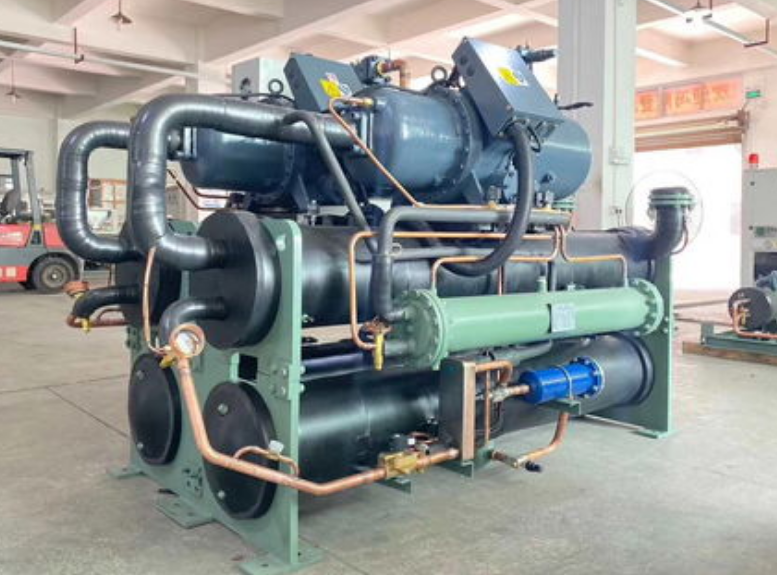
Magnet Wire for Refrigeration Systems: Compressor Motor Selection Guide
Learn where magnet wire is used in refrigeration systems and how to choose conductor shape, insulation, thermal class, process and tests for compressor and fan motors.